Back pain is a problem for a lot of people all over the world. Sometimes people say a slipped disc is the reason for the pain.. People often get the wrong information about what to do for a slipped disc. A lot of people think that you need to have surgery if you have a slipped disc. Some people think you should just stay in bed all the time.
These ideas are not true. Can actually make things worse. If you know what is really going on with a slipped disc you can make choices and get better faster. You will not be as scared.
If you are looking for a Spine Specialist in Noida you should know the truth about slipped disc care. This is the step, to having a healthy spine.
What Is a Slip Disc?
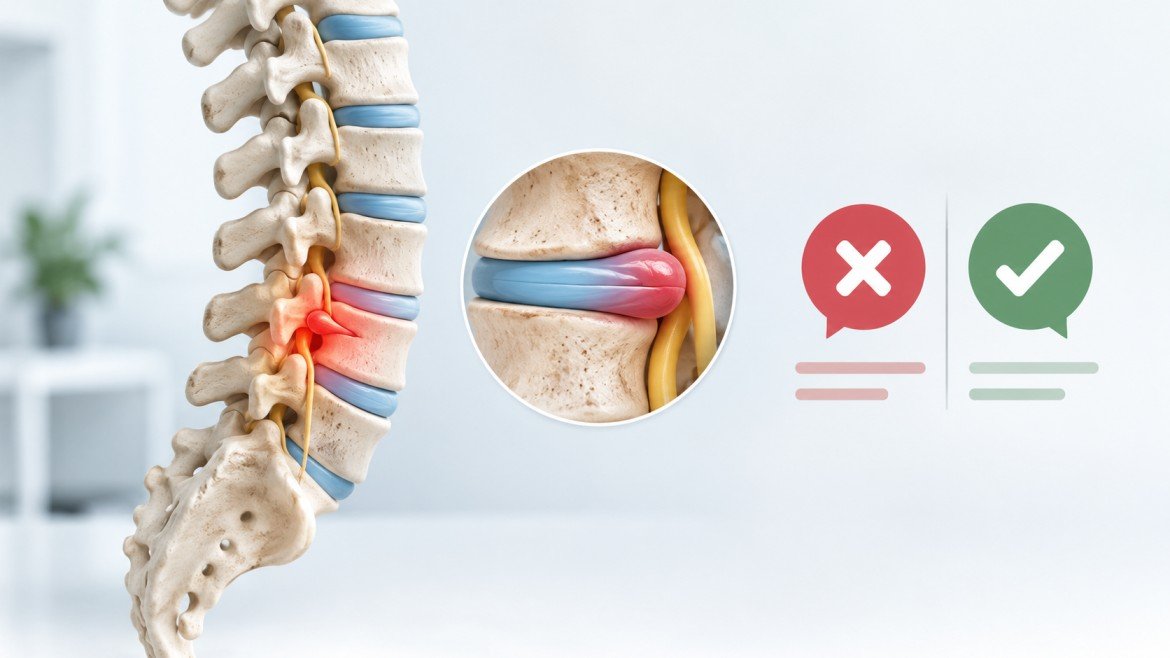
A slip disc happens when the soft part inside a spinal disc pushes through the part outside. This can bother the nerves nearby. Cause pain, numbness, tingling or weakness in the arms or legs. It just depends on which area’s affected.
The name slip disc is a little misleading. The disc does not really slip out of place. Instead it gets. Ruptured.
Quick Definition
A slip disc is a condition where the damaged material from a disc presses, on the nerves nearby. This leads to pain and other symptoms that affect the nerves.
Myth 1: Every Slip Disc Requires Surgery
Fact
People usually get better from a disc without having to have surgery.
A lot of slipped discs get better with things like medicine, physical therapy and doing exercises that someone guides you through. If you have a slipped disc you will probably start to feel better after a weeks.
Doctors usually only think about surgery when:
- The pain from a slipped disc is still really bad after trying to treat it.
- You start to get muscles because of a slipped disc.
- You have problems with your bladder or bowel because of a slipped disc.
- The pictures from tests show that a slipped disc is putting pressure on a nerve and that is why you are having symptoms.
It is an idea to have a doctor check you out so they can figure out the best way to treat your slipped disc rather, than just thinking that you will have to have surgery for a slipped disc.
Myth 2: Complete Bed Rest Is the Best Treatment
Fact
Long periods of bed rest can slow recovery.
Years ago, patients were advised to remain in bed for days or even weeks. Today, medical evidence suggests that gentle movement and gradual return to normal activities often lead to better outcomes.
Short periods of rest may help during intense pain, but prolonged inactivity weakens muscles that support the spine.
Pro Tip
Stay active within your comfort level. Walking and prescribed exercises are usually more beneficial than extended bed rest.
Myth 3: Back Pain Always Means You Have a Slip Disc
Fact
Not every episode of back pain is caused by a herniated disc.
Back pain has many possible causes, including:
- Muscle strain
- Poor posture
- Degenerative spine changes
- Arthritis
- Ligament injuries
- Spinal stenosis
A detailed clinical examination, combined with imaging when necessary, helps identify the actual cause rather than relying on assumptions.
Myth 4: Exercise Makes a Slip Disc Worse
Fact
The right exercises can speed recovery.
Many patients avoid movement because they fear additional damage. In reality, carefully planned rehabilitation strengthens core muscles, improves flexibility, and reduces pressure on the spine.
The key is performing exercises recommended by qualified healthcare professionals instead of following random online routines.
Common Mistake
Trying high-impact workouts or heavy lifting too early can aggravate symptoms. Recovery should follow a structured progression.
Myth 5: Pain Automatically Means Permanent Damage
Fact
Pain intensity does not always reflect the severity of the condition.
Some people with large disc herniations have surprisingly mild symptoms, while others with small bulges experience significant discomfort due to nerve irritation.
Treatment decisions should consider:
- Clinical symptoms
- Physical examination
- Imaging findings
- Functional limitations
These factors together provide a clearer picture than pain alone.
Myth 6: MRI Is Always Needed Immediately
Fact
Not everyone needs an MRI at the first visit.
A doctor typically starts by reviewing your medical history and performing a physical examination. Imaging becomes important when symptoms persist, neurological deficits appear, or serious underlying conditions are suspected.
Avoiding unnecessary scans prevents overdiagnosis and reduces healthcare costs while ensuring patients receive appropriate care.
A Real-Life Example
Imagine a 42-year-old office worker who develops severe lower back pain after lifting a heavy suitcase. Concerned, he assumes surgery is the only option.
After evaluation, he begins medication, supervised physiotherapy, posture correction, and activity modification. Over the next eight weeks, his pain steadily improves, and he returns to work without surgery.
This type of recovery is common when patients receive timely diagnosis and follow evidence-based treatment plans instead of relying on myths.
How to Protect Your Spine
Healthy habits reduce the risk of future disc problems.
Follow These Steps
- Maintain good posture while sitting and standing.
- Strengthen core and back muscles regularly.
- Lift heavy objects correctly using your legs.
- Maintain a healthy body weight.
- Avoid prolonged sitting without breaks.
- Stay physically active throughout the week.
- Stop smoking, as it may contribute to disc degeneration.
Small lifestyle changes often have a lasting impact on spinal health.
When Should You Seek Medical Attention?
Consult a healthcare professional if you experience:
- Persistent back pain lasting several weeks
- Pain radiating into the arms or legs
- Numbness or tingling
- Muscle weakness
- Difficulty walking
- Loss of bladder or bowel control (requires immediate medical evaluation)
Early assessment improves the chances of successful treatment and helps prevent complications.
Trusted Medical Guidance Matters
A reliable source of information is needed to make any decision related to health care. The WHO, NINDS, and American Academy of Orthopedic Surgeons suggest that diagnosis and treatment based on evidence should be adopted rather than depending on any misconception.
Being aware of the distinction between myths and medical truths will enable the patient to select the proper treatment according to clinical studies.
Conclusion
The myths associated with slip discs can often result in fear without any justification or even postpone necessary actions to be taken by the patient. It should be noted that many patients get well after having their condition diagnosed properly and making some changes in their lifestyle.
One shouldn’t listen to any information about this problem provided online or by people who are not medical specialists.
Call to Action
Have you been suffering from back pain, leg pain, or numbness? Forget about what the myths tell you about how you should be treated. Consult a professional who will conduct a thorough spine examination for you and help you regain your health and vitality.

Dr. Rahul Gupta is Senior Director and Head of Neurosurgery at Fortis Hospital, Noida, with over 20 years of experience in the assessment and management of brain, spine, and nerve disorders. His clinical practice includes minimally invasive brain and spine surgery, brain tumour management, neurovascular procedures, and other neurosurgical treatments. Treatment recommendations are based on each patient’s diagnosis, medical history, and individual clinical needs.