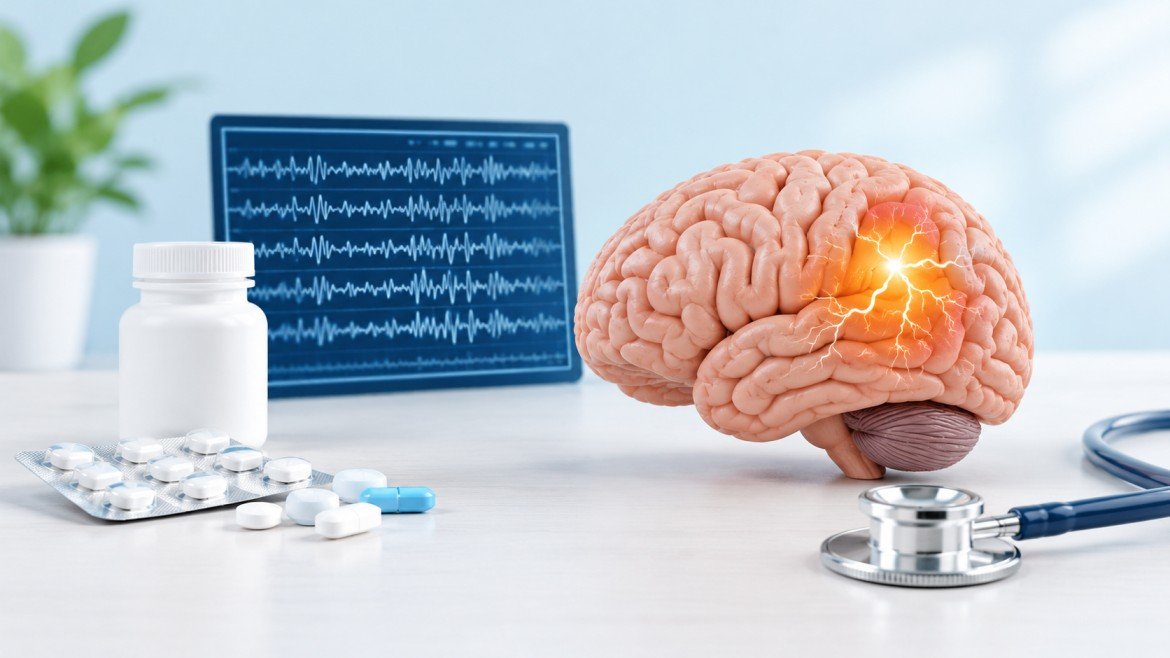
The most common neurological diseases in the world are the epileptic disorder but still very much misunderstood by many people. In fact, the first time that the patient experiences a seizure will usually bring about a lot of uncertainties rather than clarity of what has happened. Is it epilepsy? Will the attack recur? Can it be cured? The good thing is that medical practice today has provided effective methods to help deal with epilepsy.
Seizures may be seen in both children, adults, and elderly patients. Seeking medical care immediately is a must. Consulting a Neurologist in Noida who has experience will not only be able to diagnose the cause but also determine what kind of epilepsy the patient is suffering from.
Understanding Epilepsy
Epilepsy is a lifelong disease whereby an individual is subject to recurring episodes of seizures as a result of electrical activity in their brain. It may not be necessary for one to have experienced a seizure to be diagnosed with epilepsy. It is typically defined as the occurrence of repeated seizures not resulting from such conditions like high fever.
Seizures are different for each person who has them. Some seizures are very short. The person may just stare or look confused for a few seconds. Other seizures can cause the muscles to get stiff or the body to jerk around or the person may even lose consciousness for a while.
It is very important to understand what seizures are like so that doctors can find out if someone has epilepsy and give them the help. Epilepsy and seizures need to be understood so that people, with epilepsy can get the care they need.
Recognizing the Symptoms of Epilepsy
The presentation of the condition depends on which region of the brain is affected during the time of seizure. Although convulsive actions are common knowledge, there are other manifestations that are often disregarded since they tend to be milder.
These are some common symptoms:
- Sudden loss of consciousness
- Brief periods of staring
- Jerky movements of the arms or legs
- Confusion
- Falls without any apparent reason
- Loss of consciousness
- Tingling or numbness
- Smells, tastes, or visual disturbances prior to a seizure
- Speech difficulties before, during, and/or right after the seizure
Take, for instance, the case of a teenage boy who often goes “blank” for a few seconds while studying in class; in actuality, he is suffering from absence seizures and not just lack of concentration.
What Causes Epilepsy?
Epilepsy can develop for many different reasons, and in some cases, no definite cause is identified.
Common causes include:
- Head injuries
- Brain tumors
- Stroke
- Brain infections such as meningitis
- Developmental abnormalities
- Genetic factors
- Birth-related brain injury
Although the cause may differ, the treatment goal remains the same: controlling seizures while maintaining the best possible quality of life.
How Is Epilepsy Diagnosed?
Accurate diagnosis forms the foundation of successful epilepsy treatment. Neurologists combine clinical evaluation with advanced diagnostic testing to determine the type of seizure and identify possible underlying causes.
1. Detailed Medical History
The doctor asks about seizure symptoms, duration, recovery time, family history, previous illnesses, and possible triggers. Family members or witnesses often provide valuable observations.
2. Neurological Examination
A neurological examination evaluates balance, coordination, muscle strength, sensation, speech, reflexes, and memory.
3. Electroencephalogram (EEG)
An EEG records electrical activity in the brain and helps identify abnormal patterns associated with epilepsy.
4. MRI Brain
MRI scans detect structural abnormalities such as tumors, scars, vascular malformations, or developmental changes that may trigger seizures.
5. Additional Tests
Depending on the situation, specialists may recommend blood tests, prolonged video EEG monitoring, or advanced imaging studies to confirm the diagnosis.
According to organizations such as the World Health Organization (WHO) and the International League Against Epilepsy (ILAE), early diagnosis and appropriate treatment significantly improve long-term seizure control and quality of life.
Modern Treatment Options for Epilepsy
Individual treatments are determined as the situation of every patient differs. Age, types of seizures, past medical history, and lifestyle determine the way of treatment.
Anti-Seizure Drugs
Medication serves as the main form of treatment for most patients. Anti-seizure drugs nowadays manage seizures in a lot of people when taken regularly.
Adjustments to the treatment process may be necessary according to the number of seizures and side effects. A patient must never interrupt taking any medicine without consulting a doctor, as it may result in severe seizures.
Lifestyle Modifications
Medication works best when combined with healthy daily habits.
Helpful lifestyle practices include:
- Getting adequate sleep every night
- Taking medicines exactly as prescribed
- Managing emotional stress
- Limiting alcohol consumption
- Staying physically active
- Maintaining regular follow-up appointments
- Identifying and avoiding personal seizure triggers
Small lifestyle improvements often reduce seizure frequency and improve overall well-being.
Epilepsy Surgery
In cases where medication is ineffective in controlling the seizures, surgery can be an option. Prior to advising surgery, specialists conduct extensive imaging and EEG tests to determine the region of the brain that causes the seizures.
Modern advances in neurosurgery, including neuronavigation systems and functional brain mapping, allow surgeons to perform brain tumor procedures with greater precision while helping preserve critical brain functions whenever possible.
Other Advanced Treatments
Some patients may respond well to further treatment through vagus nerve stimulation (VNS), responsive neurostimulation, ketonic diet therapy, and other special forms of treatment.
Common Myths About Epilepsy
Many misconceptions continue to delay treatment and increase unnecessary fear.
Myth: Every seizure involves violent shaking.
Fact: Many seizures appear only as brief staring spells, confusion, or unusual behavior.
Myth: Epilepsy is a mental illness.
Fact: Epilepsy is a neurological disorder involving abnormal electrical brain activity.
Myth: People with epilepsy cannot lead normal lives.
Fact: Many people successfully study, work, travel, exercise, and build families after receiving proper treatment.
Myth: Epilepsy is untreatable.
Fact: Most patients achieve good seizure control with modern medical care.
Common Mistakes Patients Should Avoid
Several avoidable mistakes can interfere with successful treatment:
- Ignoring the first seizure
- Missing prescribed medication doses
- Stopping treatment without consulting a doctor
- Self-medicating based on internet advice
- Skipping follow-up appointments
- Not informing family members about seizure first aid
Avoiding these mistakes helps improve seizure control and reduces complications.
Pro Tips for Living Well with Epilepsy
Small actions practiced daily do make an impact.
1. Keep a seizure journal for identifying any trigger.
2. Always have your emergency medication with you when on the go.
3. Educate your near and dear about seizure first aid.
4. Take care of your sleep and stress.
5. Don’t miss your follow-up appointments even if you feel better.
Often, persistence is the key to success.
When Should You Consult a Neurologist?
Consult your doctor as soon as possible for:
• Epileptic seizures
• Loss of consciousness
• Episodes of confusion
• Fainting
• Seizures that last more than five minutes
• Hard time recovering from seizures
• Neurological problems like muscle weakness
It is important to seek help in order to get an early diagnosis.
Conclusion
Epilepsy is an easily manageable disorder of the nervous system—definitely not a death sentence. There have been tremendous improvements in diagnostic imaging, EEG studies, medication and surgery methods within the last decade. Early detection of symptoms and an accurate diagnosis by a qualified specialist are essential for timely and effective treatment.
Instead of getting scared and listening to myths about the disease, patients and their relatives should concentrate on the right medical treatment and follow-ups. Properly treated epilepsy allows people suffering from this disorder to lead normal healthy and happy life.
Call to Action
In case you have or anyone around you has suffered from recurring seizures, inexplicable loss of consciousness, or strange bouts of confusion, take it seriously. Timely diagnosis plays an important role in effective care. Book a consultation with a seasoned Neurologist in Noida to undergo a complete neurological examination, an exact diagnosis, and a tailor-made treatment for sustained seizure management.

Dr. Rahul Gupta is Senior Director and Head of Neurosurgery at Fortis Hospital, Noida, with over 20 years of experience in the assessment and management of brain, spine, and nerve disorders. His clinical practice includes minimally invasive brain and spine surgery, brain tumour management, neurovascular procedures, and other neurosurgical treatments. Treatment recommendations are based on each patient’s diagnosis, medical history, and individual clinical needs.