Minimally invasive spine surgery
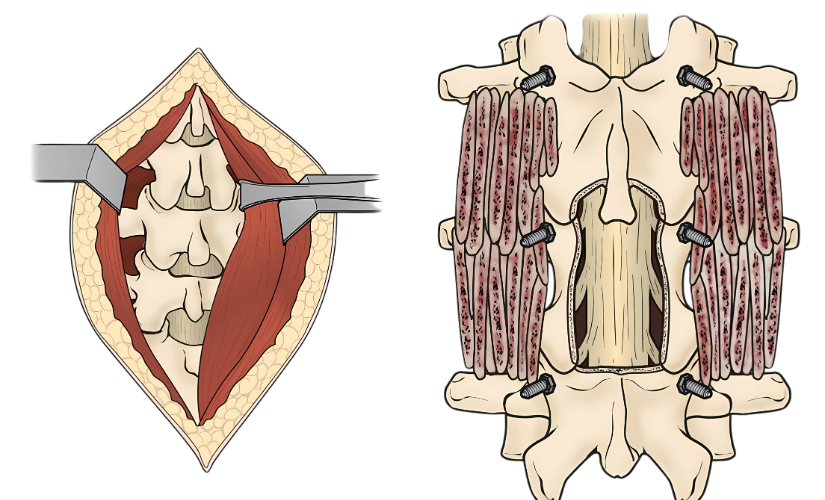
Minimally invasive spine surgery is done with endoscopes or operating microscopes. It involves small incisions and it is done to stabilize vertebral bones and spinal joints. MISS involves the small pierces which cause less blood loss, is safe, fast and requires less recovery time. Minimally invasive spine surgery (MISS) uses techniques designed to reduce disruption to surrounding tissues. It may be considered for certain spinal disorders causing back or neck pain, depending on the diagnosis and the patient’s suitability for surgery.
By using smaller incisions, specialized instruments, and image guidance, MISS promotes quick healing and enables many patients to return home sooner, often with less post-operative pain and less noticeable scarring. This approach may be suitable for selected spinal conditions, depending on the diagnosis, the patient’s overall health, and the treatment goals. Potential benefits, recovery time, and risks vary according to the procedure and individual clinical circumstances.
Who Can Benefit & What to Expect
MISS is suitable for patients with back or neck pain due to herniated discs, spinal stenosis, degenerative disc disease, fractures, or spinal tumors who have not improved with conservative therapies. The surgical approach is selected according to the patient’s condition, medical history, and imaging findings. Some patients may benefit from shorter hospital stays and recovery periods. Potential complications and expected outcomes should be discussed with the treating neurosurgeon before surgery.
Frequently asked questions
Herniated disc, spinal stenosis, degenerative disc disease, fractures, and spinal tumors.
Hospital stay and recovery time vary depending on the procedure performed, the patient’s condition, and any complications. The treating team provides individualized guidance on discharge and when routine activities can be resumed.
Minimally invasive spine surgery may be suitable for certain spinal conditions. Potential benefits include smaller incisions, less tissue disruption, and a shorter recovery period in selected cases. Outcomes vary from patient to patient.
Scarring is minimal, and most patients enjoy a near-normal lifestyle, though maintaining proper back care is advised.
Minimally invasive spine surgery may involve risks such as infection, bleeding, nerve injury, or the need for further surgery. The risks depend on the procedure and the patient’s individual condition.