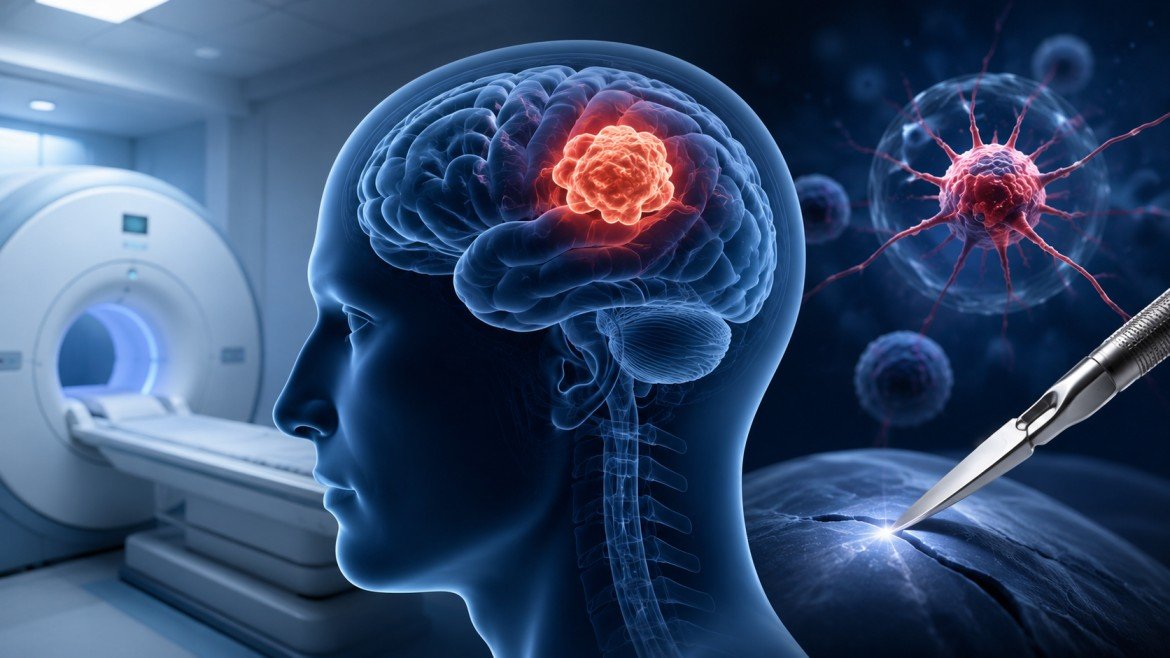
A brain tumor diagnosis can turn an ordinary week into urgent questions: Is it cancer? Does it need surgery? Will treatment affect memory, speech, movement, or vision? Modern brain tumor care in India has moved beyond a simple “tumor removal” approach. The goal is accurate diagnosis and treatment while protecting brain function throughout care.
Understanding Brain Tumors Before Treatment
Brain tumors involve an overgrowth of cells within or around the brain. Some tumors are benign while others are malignant. The treatment of choice depends on the type of tumor, its size, its position, its grade, its molecular features, symptoms, and the general condition of the patient.
Every brain tumor is not treated using surgery immediately. Some tumors that are small, slow-growing, and do not present any symptoms can be watched by having MRI tests done on a regular basis. Some tumors require surgery, radiation, drugs, or any combination of the above methods.
Step 1: Accurate Diagnosis Comes First
Diagnosis begins with neurological examination and brain imaging. MRI gives the size, location, swelling, and relationship to major brain structures of the tumor. CT can also be useful for urgent examination, bleeding, bone involvement, or calcifications.
The next step is determining the exact nature of the tumor. A biopsy or surgical tissue can be studied by the neuropathologist. The diagnosis can also include molecular diagnosis such as IDH, 1p/19q, or MGMT depending on the case. This can affect the treatment plan.
NICE guidelines suggest structural MRI for suspected glioma and refer to a specialist multidisciplinary team after radiological diagnosis.
Why Molecular Diagnosis Matters
Two cancers that appear identical in imaging scans may have different biological behaviors. Molecular data can avoid treating only based on appearances. EANO recommends that the assessment of adult diffuse gliomas include the combination of radiological, pathological, and molecular data.
Step 2: Choosing the Right Treatment
A Brain Tumor Specialist india should not recommend surgery simply because a tumor is visible. The central question is whether treatment offers more benefit than risk.
Surgery and Maximal Safe Resection
Where there is a need for surgery, the goal can be maximal safe resection whereby as much of the tumor is removed as possible without losing function like speech, movement, vision, and memory.
There is advanced technology that can be used during neurosurgical planning such as neuronavigation, functional MRI, intraoperative monitoring, and mapping, among others, where needed.
Take the example of a tumor near the language area; the patient could end up with speech loss after removing all of the millimeters in the area without any mapping of the function.
Radiation and Drug Therapy
Radiation may be required after surgery or even as a first choice treatment when surgery is not an option. This includes radiation treatments such as stereotactic radiosurgery which use highly focused radiation doses for particular lesions.
Medication treatment is largely based on tumor biology. This could include chemotherapy, target drugs or any other systemic medications. For certain high grade gliomas, there is a standard procedure involving radiation and temozolomide following surgery.
Step 3: Recovery Is More Than Healing the Wound
The process starts straight after the therapy session. Physicians will examine the neurological performance, pain levels, seizures, swelling, wound healing, and drug reaction. The MRI is useful in checking out the affected area and presence of disease.
Rehabilitation could be achieved through physical therapy, occupational therapy, speech and language therapy, neuropsychological therapy, and nutritional counseling.
Even a person who walks normally prior to the operation can feel weak after the procedure. This needs further evaluation.
Common Mistakes Patients Should Avoid
- Assuming every brain tumor is cancerous.
- Choosing a surgeon based only on online rankings or advertising.
- Delaying specialist review after an abnormal MRI.
- Ignoring molecular findings in a pathology report.
- Comparing recovery timelines with another patient.
- Stopping anti-seizure or steroid medication without medical guidance.
- Relying on unproven diets or supplements instead of evidence-based care.
How to Choose a Neurosurgical Team in India
When searching for the Best Brain surgeon in India, look beyond a title or advertisement. Ask:
- Does the surgeon regularly treat the specific tumor type and location?
- Is advanced MRI, neuronavigation, and monitoring available when appropriate?
- Is the case reviewed by a multidisciplinary neuro-oncology team?
- Will pathology include relevant molecular testing?
- What are the goals of surgery: diagnosis, decompression, maximal safe removal, or symptom control?
- What happens if residual tumor remains?
A strong team should explain benefits and limitations clearly and honestly.
Pro Tips for Better Treatment Decisions
Carry previous MRI scans, reports, pathology slides, medication lists, and discharge summaries to every consultation. Ask for the tumor’s exact diagnosis rather than accepting a broad label such as “brain mass.” Before surgery, ask which neurological functions are at risk and how the team plans to protect them.
Also ask about the complete treatment pathway—not only the operation. Brain tumor care can involve surgery, radiation oncology, medical oncology, rehabilitation, imaging, and long-term surveillance.
Conclusion
Brain Tumor Treatment in India Has Become Highly Personalized Today. The optimal treatment approach involves imaging and tissue testing first, then surgery along with other treatments if needed, followed by rehabilitation and regular follow-up.
If you have been diagnosed with brain tumors or a relative has developed one, you should see a team of experienced neurosurgeons for a personal consultation before any treatment. A well-considered second opinion will help to understand the diagnosis, possible treatment options, and their risks before making a choice.
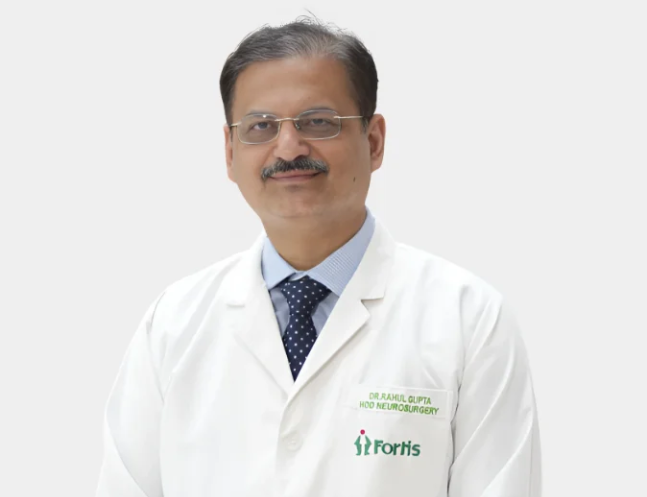
Dr. Rahul Gupta is Senior Director and Head of Neurosurgery at Fortis Hospital, Noida, with over 20 years of experience in the assessment and management of brain, spine, and nerve disorders. His clinical practice includes minimally invasive brain and spine surgery, brain tumour management, neurovascular procedures, and other neurosurgical treatments. Treatment recommendations are based on each patient’s diagnosis, medical history, and individual clinical needs.