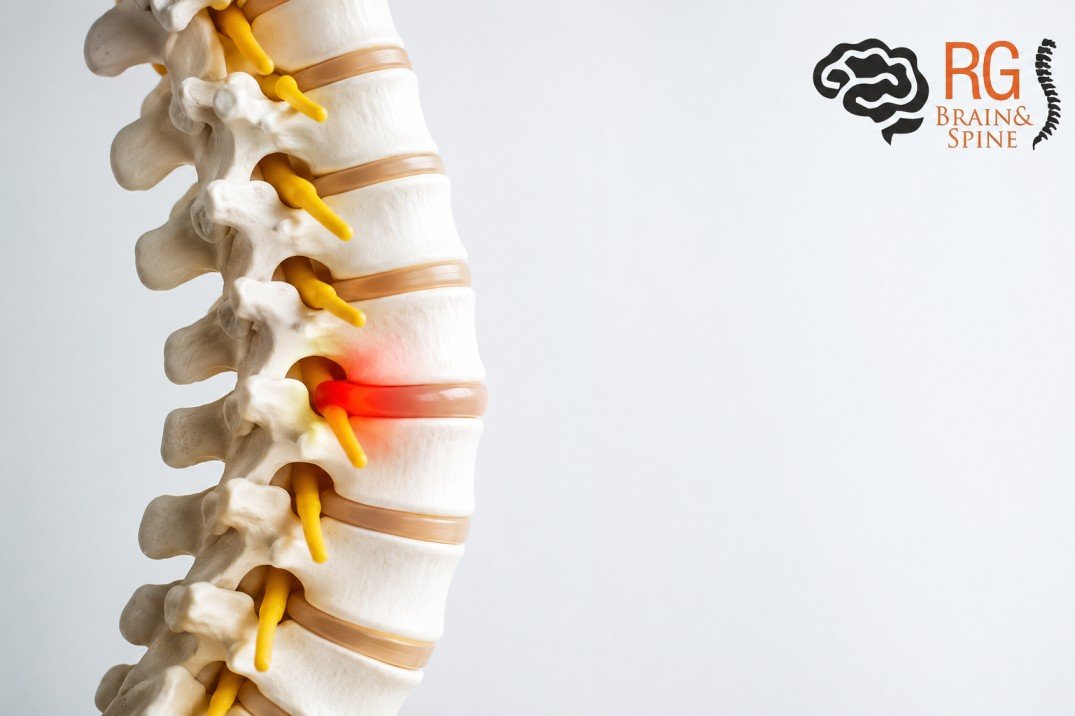
Back pain is common. Complex spine disorders are a different story. When a herniated disc turns into spinal stenosis, or a fracture leads to nerve compression that doesn’t respond to rest and physiotherapy, the conversation shifts from pain management to surgical planning.
That shift is intimidating for most patients. Spine surgery carries a reputation — some of it outdated, some of it fair — and understanding the actual options available today makes the decision far less overwhelming. Anyone researching the best neurosurgeon in Greater Noida for a complex spine condition usually wants the same thing: clarity on what the surgery actually involves and whether less invasive alternatives exist first.
Here’s a grounded look at where neurosurgery stands today for complex spine problems.
What Counts as a “Complex” Spine Disorder
Not every spine issue needs surgical intervention, and not every surgical case is complex. A single-level disc herniation causing sciatica is fairly straightforward. Complexity enters when multiple factors overlap:
- Multi-level degeneration affecting several vertebrae at once
- Spinal deformities like severe scoliosis or kyphosis
- Tumors within or near the spinal cord
- Instability from trauma or previous failed surgery
- Congenital spinal abnormalities
These instances require something beyond a regular decompression procedure. Sometimes a variety of approaches are required along with imaging analysis, and possibly a surgical procedure performed over multiple operations.
Minimally Invasive Spine Surgery (MISS)
There has been an evolution in spine surgery during the past two decades in terms of moving towards minimally invasive techniques in spine surgery. The traditional way of using a large incision and wide muscle dissection has been replaced by using a small tubular access through which surgery is carried out under imaging guidance.
Some of these procedures include microdiscectomy, minimally invasive laminectomy, and tubular decompression. There is less blood loss, shorter hospital stay, and the overall recovery time frame becomes short due to minimally invasive surgery.
However, MISS is not feasible in some complex cases. Some spinal deformities and multi-level disease sometimes necessitate open surgical techniques to address such cases. In such cases, a proficient surgeon decides the technique that fits the particular anatomy instead of relying on any one technique.
Spinal Fusion and Instrumentation
When instability is part of the problem — from degeneration, trauma, or a previous surgery that didn’t hold — fusion becomes necessary. This involves joining two or more vertebrae together using rods, screws, or cages, allowing bone to grow across the segment over time.
Fusion has evolved considerably. Techniques like Transforaminal Lumbar Interbody Fusion (TLIF) and Anterior Lumbar Interbody Fusion (ALIF) approach the spine from different angles depending on where the instability sits and what structures need protecting.
The tradeoff with fusion is reduced flexibility at the fused segment, which is why surgeons increasingly try to limit the number of levels fused whenever the condition allows it.
Motion-Preserving Alternatives
Certain individuals might qualify for disc replacement surgery as opposed to fusion where a prosthetic disc replaces the diseased disc, leaving that particular part of the spine mobile as opposed to locked.
However, this procedure does not apply to everyone; various issues like bone density, the level of the affected spine, and the degree of degeneration play a role in determining if disc replacement is feasible or not. When contemplating such an option, you need to consult your doctor and establish whether your anatomy qualifies.
Managing Spinal Tumors and Vascular Lesions
Complex spine disorders sometimes involve growths — benign or malignant — pressing on the spinal cord or nerve roots. Surgical management here often combines tumor resection with stabilization, since removing bone or disc material to access a tumor can destabilize the segment.
Neuronavigation and intraoperative neuromonitoring have made these procedures considerably safer, allowing surgeons to track nerve function in real time and reduce the risk of permanent deficit during resection.
Recovery and Realistic Expectations
The amount of time that will be required for recovery will vary greatly according to the type of procedure performed. For example, an operation that involves a discectomy using a less invasive approach could result in the patient being able to walk right away and be involved in mild physical activities after only two or three weeks.
However, something that patients are rarely made fully aware of before going through an operation is that, although the surgery may eliminate pressure on the nerves and stabilize the area, it does not automatically mean that all symptoms will disappear at once.
Choosing the Right Surgical Path
The right treatment depends on precise diagnosis — not just an MRI finding, but how that finding correlates with actual symptoms. Two patients with similar scans can need entirely different treatment plans based on their specific pain patterns, neurological findings, and lifestyle demands.
This is where experience matters more than technology. Advanced tools help execute a plan well, but choosing the correct plan in the first place comes down to clinical judgment built over years of complex cases. Anyone evaluating options for a complicated spine condition should look past equipment lists and ask about the surgeon’s direct experience with cases similar to their own.
The Final Word
Most complex spinal conditions do not usually have a definite treatment approach. When choosing between minimally invasive spine decompression, spinal fusion, dynamic stabilizers, and tumor-based treatment procedures, one needs to be careful about what works best for them by being properly diagnosed.
Patients who find themselves at such a crossroad will benefit greatly from speaking to the best neurosurgeon in Greater Noida who is experienced in handling complex spinal conditions to get the best diagnosis and approach to treatment.
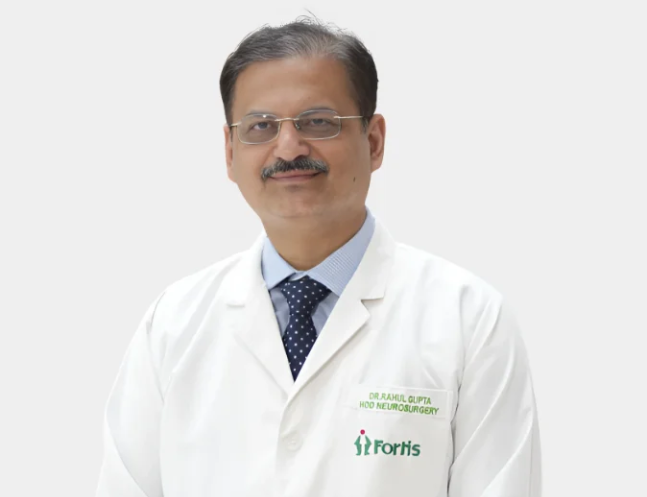
Dr. Rahul Gupta is Senior Director and Head of Neurosurgery at Fortis Hospital, Noida, with over 20 years of experience in the assessment and management of brain, spine, and nerve disorders. His clinical practice includes minimally invasive brain and spine surgery, brain tumour management, neurovascular procedures, and other neurosurgical treatments. Treatment recommendations are based on each patient’s diagnosis, medical history, and individual clinical needs.