Spotting signs of brain tumors in adults can be a challenge since the initial symptoms tend to overlap with other health conditions. Persistent headaches, nausea, loss of memory, or temporary dizziness can be caused by various reasons. But when the same symptoms are recent, recurring, or worsening, then professional help is needed.
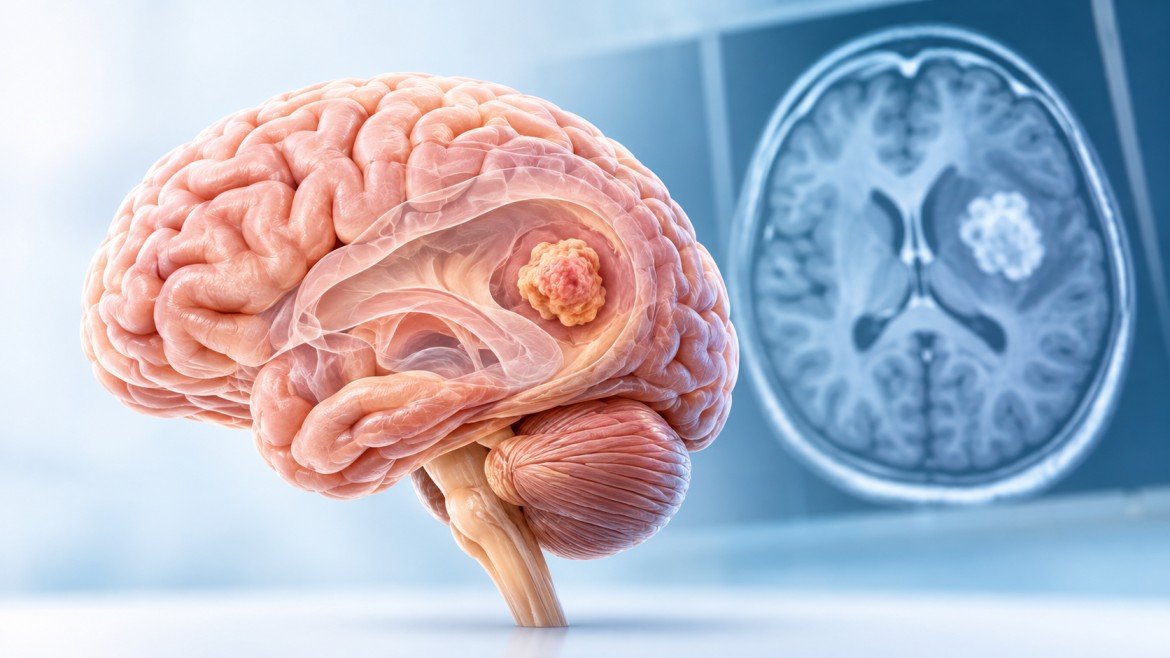
A brain tumour develops when cells grow abnormally within the brain. Depending on their nature, brain tumours are classified as benign (non-cancerous) or malignant (cancerous).
Symptoms can vary from person to person. A tumour located in the part of the brain which controls the movement of the body causes weakness whereas a tumour near the visual pathway causes poor eyesight.
Understanding these early warning signs can help adults recognise when to consult a doctor, neurologist, or neurosurgeon. If investigations suggest a brain tumour, a brain tumor surgeon in Noida can assess its location, type, and available treatment options to help determine the appropriate course of care.
Why Symptoms Vary So Much
Brain tumors can cause symptoms in two ways: either by increasing intracranial pressure by compressing surrounding tissues, or by disrupting the specific part of the brain in which it is located. Brain tumors located in the visual pathways can cause vision problems. Tumors in the frontal lobe cause behavioral changes, while tumors located near the cerebellum usually cause balance problems.
It is the reason why two different individuals suffering from brain tumors may complain of two entirely different sets of symptoms.
10 Warning Signs Worth Taking Seriously
- A headache that’s changed. Pay attention if it’s new, steadily worsening, worse in the morning, or aggravated by coughing, bending, or lying down.
- A first-ever seizure in adulthood. Seizures in an adult with no prior history always need investigation. Many are caused by something else, but imaging is standard.
- Unexplained nausea or vomiting. Especially when it comes with headaches and has no stomach-related cause.
- Vision changes. Blurring, double vision, or losing part of your side vision (people often describe it as bumping into things).
- Weakness or numbness on one side. An arm, a leg, or part of the face that feels heavy or less responsive.
- Balance and coordination trouble. Stumbling, clumsiness, or difficulty with tasks like buttoning a shirt.
- Speech or language difficulty. Slurred words, struggling to find the right one, or trouble understanding what others say.
- Memory lapses or personality change. Family members often notice this first: unusual irritability, apathy, or confusion.
- Hearing loss or ringing in one ear. One-sided changes, particularly with unsteadiness, can relate to tumors near the hearing nerve.
- Persistent drowsiness or fatigue. Sleepiness that doesn’t improve with rest, especially alongside other symptoms on this list.
One symptom alone rarely means much. A cluster that keeps progressing is what changes the picture.
When to Get Checked
Don’t wait if you notice any of the following:
- A new seizure, even a brief one
- Sudden or rapidly worsening headaches, or headaches with vomiting and vision changes
- Weakness, speech difficulty, or confusion that doesn’t pass within minutes (go to an emergency department)
- Any neurological symptom that keeps getting worse over a few weeks
Start with a general physician or neurologist if you’re unsure. They’ll do a neurological examination and, if needed, refer you to a neurosurgeon.
How Doctors Diagnose It
An MRI of the brain, usually with contrast, is the primary test. In emergency situations, a CT scan is often performed first because it’s quicker. If imaging reveals a lump, the next question is what type it is, where it’s located, and whether it can be safely removed.
Not every growth is cancerous. Meningiomas, for instance, are often slow-growing and benign, while gliomas can be more aggressive. Some brain tumors are secondary, meaning cancer from the lung, breast, or elsewhere has spread to the brain. A biopsy or surgical sample confirms the exact diagnosis.
Important note: If you have kidney disease or are on dialysis, tell your doctor before having an MRI. In people with severe kidney disease, extra caution must be taken with the contrast dye used in some scans, and the imaging team may choose a safer approach.
What Happens After a Brain Tumour Is Diagnosed?
Treatment depends on several factors, including tumour type, location, size, grade, symptoms, and the patient’s overall health.
Possible treatment approaches include:
- Observation: Selected slow-growing tumours may be monitored through regular scans.
- Surgery: An operation may be recommended to remove as much of the tumour as safely possible or obtain tissue for diagnosis.
- Radiation therapy: Uses targeted radiation to treat certain brain tumours.
- Chemotherapy and targeted treatment: May be considered depending on the tumour’s specific characteristics.
A multidisciplinary team may include neurosurgeons, neurologists, medical oncologists, and radiation oncologists.
What Treatment Looks Like
Treatment depends on the tumor type, size, location, and your general health. Options include:
| Approach | What It Involves | Typically Used When |
| Observation | Regular MRI follow-ups | Small, slow-growing, symptom-free tumors |
| Surgery | Removing all or part of the tumor | Accessible tumors causing symptoms or pressure |
| Radiotherapy / radiosurgery | Targeted radiation | Residual tumor, or areas hard to operate on |
| Chemotherapy / targeted therapy | Drug-based treatment | Certain malignant tumor types |
Modern neurosurgery uses tools like intraoperative navigation and, for tumors near speech or movement areas, sometimes awake surgery so the team can protect those functions in real time. Decisions are usually made by a team that includes a neurosurgeon, oncologist, radiologist, and pathologist.
A Quick Note on Unrelated Terms
You may find dialysis and xenotransplantation mentioned in comprehensive health insurance plans. Dialysis helps people with kidney failure. Xenotransplantation, in which animal organs are transplanted into humans, is still in the experimental stage and is primarily discussed in the context of kidney and heart failure. Neither treats brain tumors, though dialysis matters here only in the imaging precaution mentioned above.
Understanding Other Medical Treatments: Dialysis and Xenotransplantation
Dialysis and xenotransplantation are medical treatments associated with organ failure and transplantation research, rather than standard brain tumour management.
- Dialysis is a treatment that performs some functions of the kidneys when they cannot adequately filter waste and excess fluid from the blood.
- Xenotransplantation involves transplanting living cells, tissues, or organs from a non-human animal into a human recipient. It remains a developing area of transplantation medicine.
Neither procedure is a standard treatment for brain tumours. Including this distinction helps avoid confusion between different medical specialties.
Frequently Asked Questions
Can stress or migraines be mistaken for a brain tumor?
Yes, and the reverse also happens. Migraines and tension headaches are far more common than tumors. What separates concerning headaches is a new pattern, steady worsening, or accompanying neurological symptoms.
Are all brain tumors cancerous?
No. Many are benign, though even benign tumors can cause serious problems if they press on vital areas, so they still need evaluation.
Is surgery always needed?
Not always. Small, stable tumors are sometimes monitored, and others respond to radiation or drug therapy. The decision depends on your specific case.
Can brain tumors run in families?
Most don’t. A small number are linked to inherited genetic conditions, which a doctor may ask about during evaluation.
The Final Word
Symptoms of brain tumors in adults are often overlooked because they often resemble everyday problems. It’s important to consult a doctor, rather than ignore them, if you experience a change in headache, your first seizure, vision problems, or gradual changes in speech or behavior. Early diagnosis, whether by a neurologist or neurosurgeon in India, gives you better answers and more options. If anything seems unusual or worsens, get it checked.

Dr. Rahul Gupta is Senior Director and Head of Neurosurgery at Fortis Hospital, Noida, with over 20 years of experience in the assessment and management of brain, spine, and nerve disorders. His clinical practice includes minimally invasive brain and spine surgery, brain tumour management, neurovascular procedures, and other neurosurgical treatments. Treatment recommendations are based on each patient’s diagnosis, medical history, and individual clinical needs.