Pituitary tumor diagnosis tends to come as a shock. People generally get diagnosed when they visit their doctors due to other symptoms such as vision impairment, headache, changes in menstruation, or inexplicable fatigue and undergo an MRI. It’s worth noting that the tumor itself is usually non-cancerous. However, its impact on the body tends to be quite extensive due to the very location of the pituitary gland.
This is exactly why pituitary tumor treatment isn’t limited to one specialty in the overwhelming majority of cases. Pituitary tumor treatment stands among the most evident cases where it’s not enough just to have a surgeon operating on the patient; nowadays, surgery is a part of an interdisciplinary approach, regardless of how important it may be. Anyone studying pituitary tumor treatment in Noida will realize that all good clinics focus less on a surgeon’s skills and more on the whole team.
Here’s why it’s so important.
Why the Pituitary Gland Complicates Things
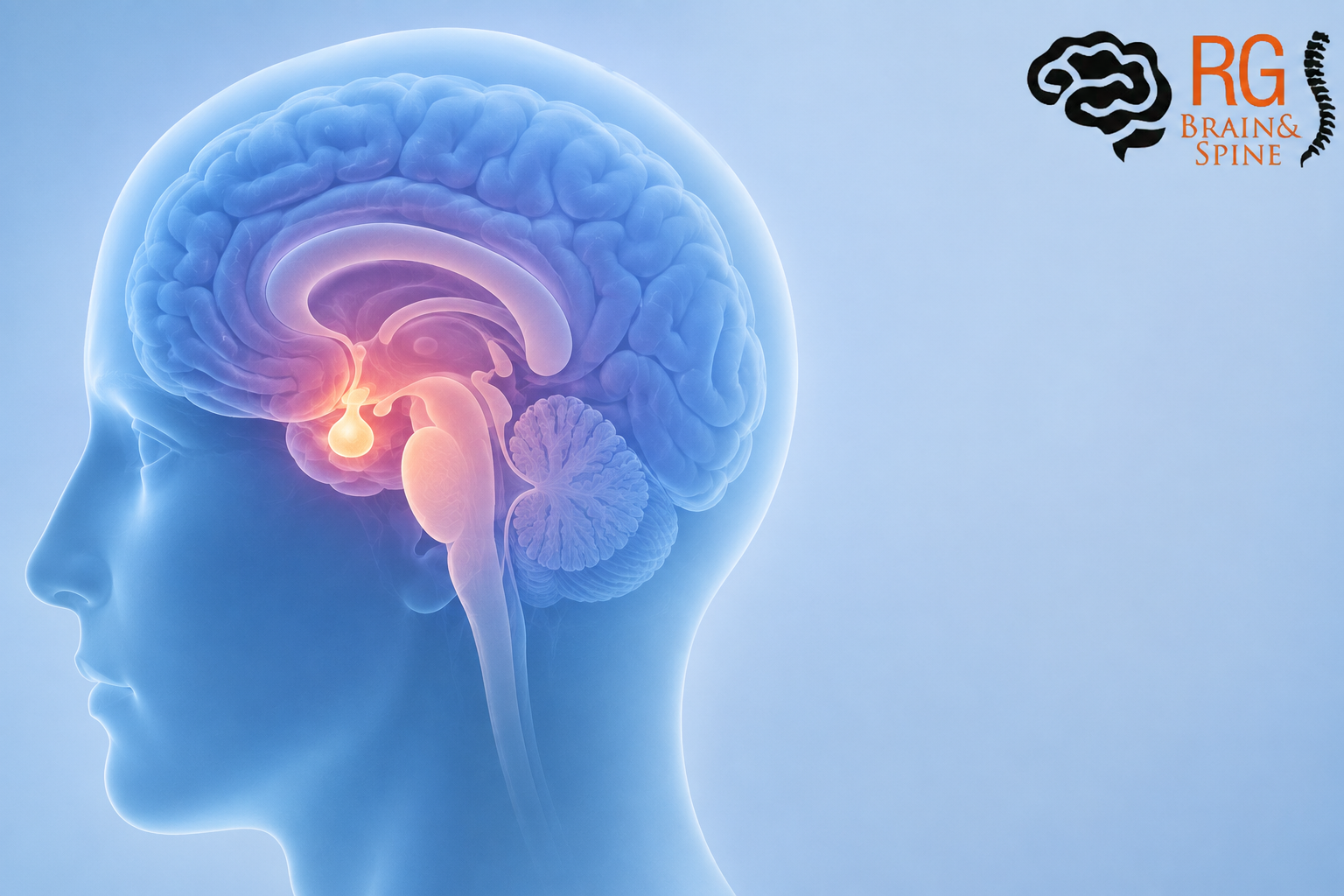
The pituitary gland is small, about the size of a pea, but it releases hormones that control the functions of the thyroid gland, adrenal glands, growth, reproduction, among others. In the event of a tumor within the pituitary gland, it is important to note that a tumor does not only involve surgically removing a lump. This depends on the nature of the tumor, whether it causes hypersecretion or compression of the pituitary gland leading to undersecretion of some of the hormones.
This means that the process of formulating a treatment plan begins by conducting endocrine tests.
Endoscopic Transsphenoidal Surgery: The Standard Approach
Most pituitary tumors today are removed through the nose, using an endoscope passed through the sphenoid sinus. This is called endoscopic transsphenoidal surgery, and it’s replaced older, more invasive approaches for the majority of cases.
There’s no external incision. Recovery time is shorter than traditional cranial surgery, and the approach gives surgeons direct access to the gland without disturbing surrounding brain tissue.
That said, “minimally invasive” doesn’t mean simple. The pituitary sits close to the optic nerves and the carotid arteries, which is part of why this surgery requires a specific kind of surgical experience — not just general neurosurgical skill, but familiarity with this particular anatomical corridor.
Why One Specialist Isn’t Enough
This is where multidisciplinary care stops being a buzzword and starts being practical necessity.
Endocrinologists manage hormone levels before and after surgery. Some tumors, particularly prolactinomas, respond well to medication alone and may not need surgery at all. An endocrinologist is often the one who makes that call, working alongside the surgeon rather than after the fact.
ENT surgeons are frequently part of the surgical team itself, since the transsphenoidal approach goes through the nasal cavity and sinus. Their involvement reduces complications related to the nasal passage and helps with healing afterward.
Ophthalmologists get involved when a tumor has been pressing on the optic chiasm, affecting vision. Pre-surgery and post-surgery eye exams track whether vision is recovering as expected, which isn’t always immediate even after a technically successful surgery.
Radiation oncologists step in for tumors that can’t be fully removed or that recur. Stereotactic radiosurgery is sometimes used as a follow-up treatment for residual tumor tissue.
When these specialists coordinate rather than work in isolation, patients avoid the common problem of conflicting advice or gaps in follow-up care — something that happens more often than it should when treatment is fragmented across unconnected appointments.
What Recovery Actually Looks Like
However, recovery from the transsphenoidal surgery tends to be quicker than most people think. Patients tend to be discharged after several days of the procedure. Nasal packing, if any, will be taken out earlier. Also, the normal routine is usually resumed by the second week following the surgery.
Hormonal balance needs to be checked for quite some time. There are cases when the patient needs hormonal supplementation after the operation, especially if there were problems with the pituitary gland before the operation. That is why it is essential to keep close relations with an endocrinologist.
Vision improvement, if it was impaired before the operation, will occur gradually as the pressure is released. The vision is not always restored, that is why it is so important to get the disease diagnosed early enough.
What to Ask Before Choosing a Treatment Path
The patient seeking a pituitary tumor treatment must raise the following points: Are drugs an option prior to surgery? Who controls the hormones after the surgery? Is there an ophthalmologist in the case when there is a need to take into account visual functions? Such questions show how well the clinic is oriented to integrated care rather than to surgical work.
Two tumors which appear exactly the same according to MRI can be handled very differently due to the level of hormone activity, tumor size, and location.
The Final Word
Pituitary tumors sit at the intersection of neurosurgery, endocrinology, and sometimes ophthalmology and radiation oncology — which is exactly why isolated, single-specialist treatment tends to fall short. The surgery matters, but so does everything happening around it, before and after the operating room.
For anyone exploring pituitary tumor treatment in Noida, the more useful question isn’t just who’s doing the surgery, but who’s managing the full picture — because with this particular condition, that team-based approach often makes the biggest difference in long-term outcomes.
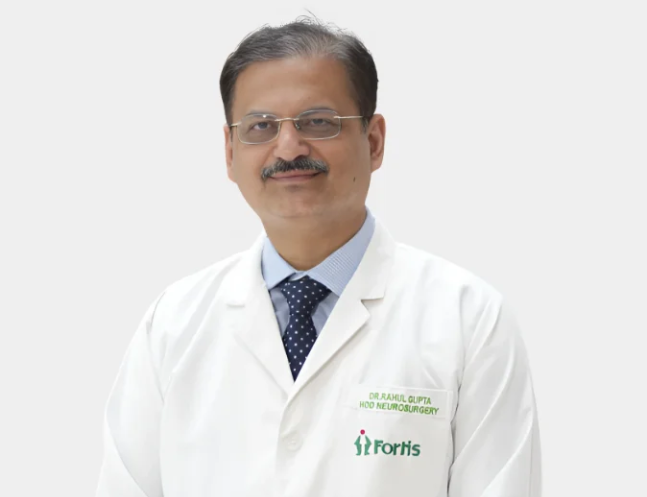
Dr. Rahul Gupta is Senior Director and Head of Neurosurgery at Fortis Hospital, Noida, with over 20 years of experience in the assessment and management of brain, spine, and nerve disorders. His clinical practice includes minimally invasive brain and spine surgery, brain tumour management, neurovascular procedures, and other neurosurgical treatments. Treatment recommendations are based on each patient’s diagnosis, medical history, and individual clinical needs.