
Lumbo Sacral Fracture
Treatment and Rehabilitation
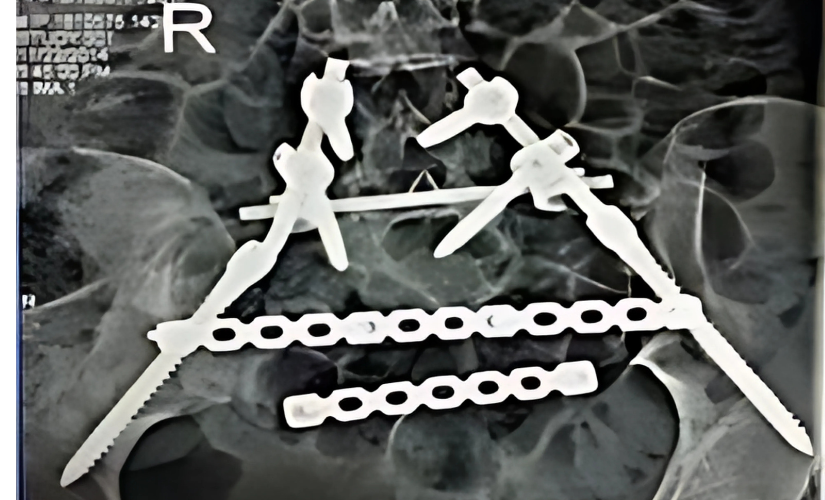
The approach to treatment depends on the fracture type, spinal stability, and neurological involvement. Stable compression fractures may heal with conservative care, but unstable or neurologically impairing fractures require surgical decompression and stabilization to restore spinal alignment and protect neural structures. Rehabilitation post-surgery is vital for regaining strength and mobility.
Frequently asked questions
Based on mechanism of injury—compression, burst, distraction, or rotation—and spinal stability.
Surgery is indicated for unstable fractures or when neurological deficits like limb weakness are present.
Decompression of neural elements and spinal fixation to stabilize the fractured spine.
Patients may regain movement within weeks; full recovery and independent walking can occur within months with rehab.
Yes, with bracing and rehabilitation if no neurologic symptoms and good spinal stability.