Spine Surgery
Spine surgery is typically recommended only after exhausting non-surgical treatments such as medications and physiotherapy. There are two main surgical approaches: traditional open surgery and minimally invasive spine surgery. Minimally invasive techniques reduce trauma to muscles and tissues, resulting in faster recovery, less pain, minimal scarring, and reduced risk of complications. Current surgical success rates are very high, with over 99% of cases achieving positive outcomes due to ongoing research and improving surgical expertise.
Why Choose Minimally Invasive Spine Surgery?
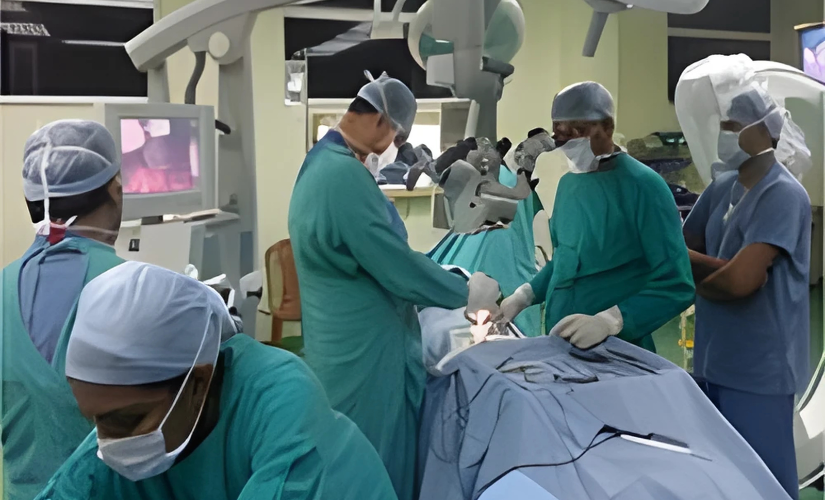
MISS uses specialized instruments like endoscopes and operating microscopes to access the spine through tiny incisions. This means less muscle damage compared to open surgery, reducing pain and shortening hospital stays. Patients often resume daily activities sooner, and risks such as infection and blood loss are minimized. For spine disorders like herniated discs, spinal stenosis, and degenerative conditions, MISS is an effective, safe option that reflects cutting-edge surgical care.
Frequently asked questions
Modern spine surgery is very safe due to advanced imaging, surgical tools, and minimally invasive methods, minimizing risks such as paralysis or permanent weakness.
It’s recommended only when nonsurgical therapies like physiotherapy and medications fail to relieve symptoms.
Smaller incisions, less pain, reduced blood loss, faster recovery, minimal scarring, and a quicker return to normal life.
Yes, success rates are over 99% in experienced hands, offering effective symptom relief and improved spinal function.
MISS can treat herniated discs, spinal stenosis, degenerative disc disease, spinal instability, and certain tumors or deformities.