
Hypertensive Bleed
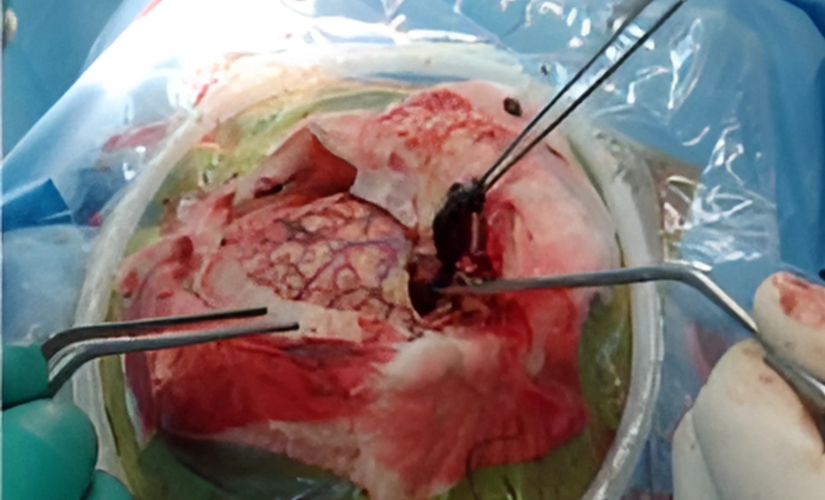
Patients suffering from hypertensive hemorrhage often require prolonged intensive care and rehabilitation even after successful surgery. Intracranial hemorrhages may also occur due to underlying vascular malformations such as arteriovenous malformations (AVM) or aneurysms, diagnosed by cerebral angiogram. Hemorrhages can occur within brain tissue or in spaces between the brain and skull, including the subarachnoid space.
Clinical Management
Hypertensive hemorrhages cause brain tissue displacement and swelling, demanding rapid medical or surgical intervention. Treatment focuses on stabilizing the patient, controlling blood pressure, and evacuating the hematoma if needed. Long-term rehabilitation addresses neurological deficits resulting from the hemorrhage. Identifying and treating coexisting vascular anomalies helps reduce future bleeding risk.
Frequently asked questions
Mainly uncontrolled high blood pressure damaging small cerebral arteries and causing vessel rupture.
Basal ganglia, thalamus, pons, and cerebellum are the typical sites.
Depending on size and symptoms, treatment can include surgical evacuation and intensive care support.
Yes, conditions like AVMs or aneurysms can cause bleeding and are diagnosed with cerebral angiograms.
It varies with severity but requires prolonged care and rehabilitation; early treatment improves outcomes.