Congenital Anomalies Of The Spine
Typically, congenital spine anomalies present with spinal deformities or neurological deficits but do not usually cause pain. Diagnosis is primarily based on advanced imaging techniques such as CT scans and MRI, which help in detecting the complexity of deformities. The diagnosis and treatment of these conditions can be challenging due to the wide variation and complexity of anomalies encountered.
Prevalence and Clinical Importance
Studies show a notably high incidence of congenital scoliosis and associated intraspinal anomalies in India, with nearly half of scoliosis patients having related neural anomalies such as tethered cord syndrome. The thoracic spine is the most commonly affected region. Early diagnosis via MRI, especially in patients with physical markers or deformities, is crucial to prevent neurological complications and plan effective treatment strategies.
Frequently asked questions
Congenital spine anomalies are birth defects affecting the development of the spinal column. They can cause spinal deformities and neurological problems but usually do not cause pain.
They are relatively common in India, especially linked to poor maternal nutrition and socioeconomic factors, affecting various regions of the spine.
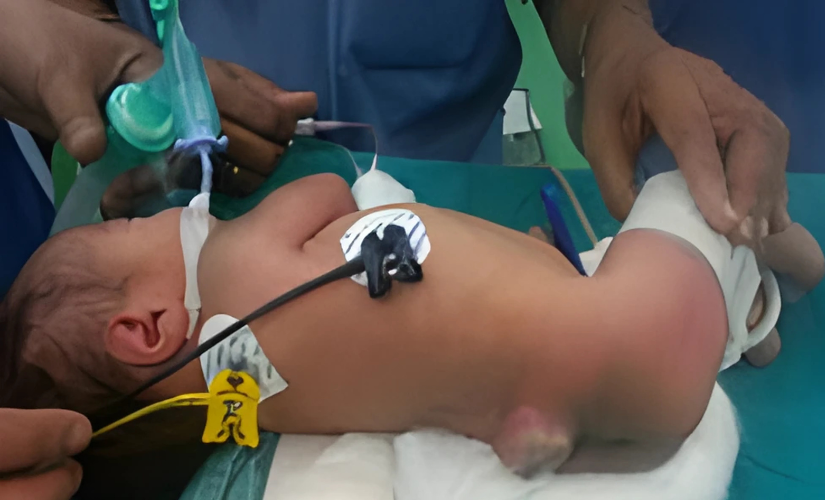
Common types include meningomyelocele (MMC), basilar invagination with atlantoaxial dislocation (AAD), scoliosis, and spinal tumors such as dermoid cysts.
They are diagnosed using advanced imaging techniques like CT scans and MRIs that help visualize spinal structure and any associated neural issues.
They generally present with deformities or neurological symptoms but typically do not cause direct pain.