Malignant Glioma
Malignant Glioma is a common sub-type of primary brain tumors which present with neurological deficits, headache and epilepsy. Diagnosed on CT scan and MRI of the brain and treatment is excision biopsy and radio-chemotherapy. Malignant gliomas are aggressive brain tumours that may present with symptoms such as headaches, seizures, or neurological changes. Diagnosis typically involves brain imaging, including MRI, and examination of tumour tissue when indicated. Treatment depends on the tumour type, location, and grade and may include surgery, radiotherapy, and chemotherapy. The treatment plan is determined by the treating specialist based on individual clinical findings.
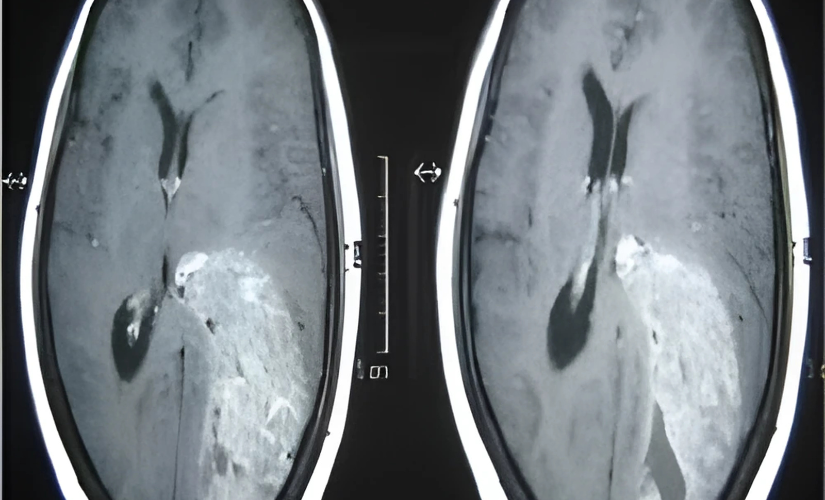
Diagnosis relies on advanced imaging techniques such as MRI and CT scans to visualize the tumor and its effects within the brain. Biopsy and molecular testing provide a definitive diagnosis and guide treatment decisions. Common symptoms include seizures, personality changes, loss of coordination, persistent headache—most noticeable in the morning—vision problems, and speech difficulties.
Treatment Approach and Results
Treatment typically begins with surgical excision of the tumor, aiming for maximal removal while minimizing damage to healthy brain tissue. Advanced techniques, such as fluorescence-guided surgery, enable more precise excision. Post-surgical imaging (CT/MRI) confirms the removal. Patients then receive radiotherapy and chemotherapy to target any remaining cancer cells.Follow-up imaging, including MRI when indicated, may be used to monitor for recurrence after treatment. Findings from a one-year follow-up scan should be interpreted in the context of the patient’s diagnosis, treatment history, and ongoing clinical assessment.
Frequently asked questions
Headaches—especially in the morning—neurological deficits, seizures, personality or memory changes, visual problems, and speech impairment
Using CT/MRI imaging followed by biopsy and molecular analysis to confirm tumor type and grade.
A technique in which special dyes highlight tumor cells under specific lighting during surgery, enabling surgeons to excise the tumor more completely.
Most patients are advised radiotherapy and chemotherapy after surgery. The plan depends on tumour type, grade, molecular findings and the patient’s health.
Outlook depends on tumour type and grade, how much can be removed safely, and response to further treatment. Your treating team can discuss what applies to you.