Brain Tumor
Brain Clot
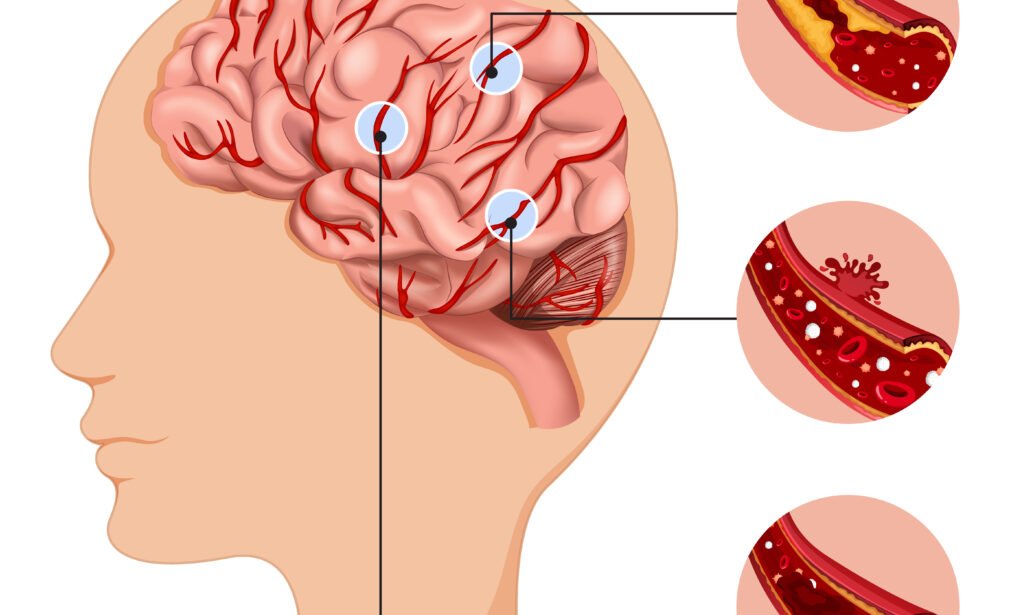
Brain clots are the blood masses formed in the brain or outside the brain but beneath the skull. Clots can be easily diagnosed with plain CT scan of the brain. Cerebral angiogram and MRI are required for diagnosing the cause of clot formation. The major causes for these clotting are head injuries or trauma, hypertension, vascular malformation, consumption of blood thinners, inflammation of the vessels. In some cases, surgery is required if the medication fail to remove the clots.
Head Injury
Head injury caused due to any severe accidents or falls results in trauma to the skull or brain. This can be conspicuous and inconspicuous. Any injury in head can lead to an internal injury or bleeding in the brain can make the injury worst. It is diagnosed with the help of MRI and CT scan and if the internal part of the brain is injured then it require immediate medical treatments or surgery.
Brain Aneurysm Repair
Aneurysm is the weak area of the blood vessel wall that causes the vessel to form lumps and even sometimes burst (ruptured). The ruptured aneurysm can lead to death if not treated on time. Brain aneurysm repair is the surgical procedure to secure the cerebral aneurysm to prevent it from bursting and to cause internal bleeding. It is being diagnosed with the help of MRI and brain angiography. There are two surgical methods to repair cerebral aneurysm: Clipping and Endovascular repair.
Frequently asked questions
MTBI usually causes short-term disorientation or unconsciousness, whereas STBI includes severe and prolonged symptoms such as seizures, slurred speech, and worsening headaches.
Not always. Many mild concussions (MTBI) do not show up on MRI or CT scans, but symptoms remain clinically relevant.
Long-term effects may include memory loss, mood swings, speech difficulties, motor problems, and changes in personality.
While some symptoms improve with rest and therapy, severe cases may cause permanent damage. Rehabilitation and medications help patients adapt and regain maximum function possible.
Treatments may include surgery for severe injuries, physical rehabilitation, speech therapy, cognitive therapy, medications, and long-term psychological support.