Epilepsy Surgery
Epilepsy is a chronic neurological disorder characterized by recurrent, unprovoked seizures caused by abnormal electrical activity in the brain. While most patients achieve good control with medications, about 30% continue to experience seizures despite optimal medical therapy — a condition known as drug-resistant epilepsy.
In selected cases, epilepsy surgery may help reduce seizure frequency or achieve seizure freedom, depending on the type of epilepsy, the area of the brain involved, and the patient’s response to treatment. Dr. Rahul Gupta provides clinical evaluation and treatment for functional neurological disorders and epilepsy. For patients whose seizures remain uncontrolled despite medication, surgical options may be considered following a detailed assessment to determine their suitability.
His patient-centric approach combines advanced imaging, neurophysiological mapping, and precise microsurgical techniques to identify and treat the seizure focus without affecting vital brain functions. This highly specialized surgery can significantly improve the quality of life, independence, and social confidence of patients living with epilepsy.
Clinical Management
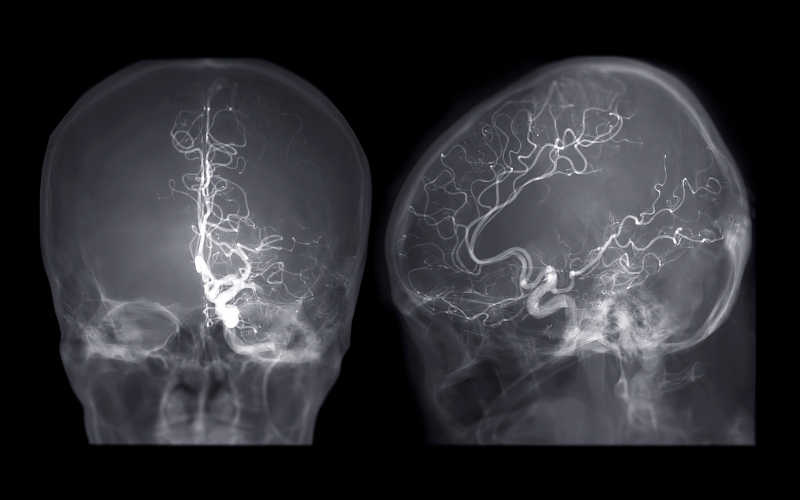
Epilepsy surgery begins with a comprehensive pre-surgical evaluation, including long-term video EEG monitoring, high-resolution MRI, PET scans, and neuropsychological assessments. This helps localize the exact region of the brain responsible for seizures.
Based on the clinical findings and diagnostic results, the surgical approach is selected according to the patient’s condition and individual needs:
Temporal Lobectomy or Lesionectomy – removal of the abnormal brain tissue generating seizures.
Corpus Callosotomy – disconnecting the pathways between brain hemispheres to prevent seizure spread.
Vagus Nerve Stimulation (VNS) or Responsive Neurostimulation (RNS) – implanting a device that regulates brain activity.
Epilepsy surgery may be considered when seizures remain uncontrolled despite appropriate medication. Procedures may involve neuronavigation and intraoperative monitoring, depending on the patient’s clinical needs and the surgical approach. Potential outcomes and risks vary according to the type of epilepsy, the area of the brain involved, and individual patient factors. Dr. Rahul Gupta assesses each case to determine whether surgery is a suitable treatment option.