Pituitary Tumor
The pituitary gland, often called the master gland, plays a crucial role in regulating hormones that control growth, metabolism, and other vital body functions. A pituitary tumor occurs when abnormal cells grow in this small but important gland located at the base of the brain. While most pituitary tumors are benign (non-cancerous), they can cause significant hormonal imbalances and compress nearby structures, particularly the optic nerves, leading to vision problems, fatigue, or unexplained weight and mood changes.
Traditional surgery to access the pituitary gland required a craniotomy (opening the skull). However, with the advancement of endoscopic transnasal surgery, this procedure can now be performed through the natural nasal passage — avoiding any external incisions.
Dr. Rahul Gupta, Director of Neurosurgery at Fortis Noida, specializes in minimally invasive endoscopic transnasal approaches for pituitary and skull base tumors. With over 20 years of neurosurgical experience, Dr. Gupta combines precision, safety, and advanced visualization techniques to ensure excellent outcomes with minimal discomfort and faster recovery for patients.
This approach not only preserves normal pituitary function but also reduces hospital stay, postoperative pain, and cosmetic concerns. It represents the cutting-edge evolution of pituitary surgery in modern neurosurgery — offering hope to patients with both functional and non-functional pituitary adenomas.
Clinical Management
The management of pituitary tumors begins with a detailed clinical and hormonal evaluation. Patients often present with symptoms like persistent headaches, visual disturbances (especially loss of peripheral vision), unexplained fatigue, infertility, or hormonal excess such as in Cushing’s disease or acromegaly. Advanced MRI imaging of the brain and pituitary region helps determine the size, extent, and direction of the tumor.
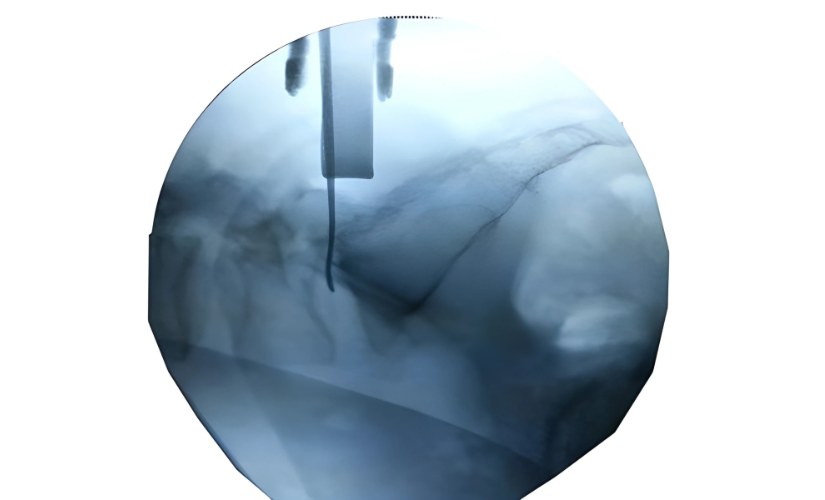
Once diagnosed, Dr. Rahul Gupta and his multidisciplinary team — including endocrinologists and neuro-ophthalmologists — create a personalized treatment plan. For most pituitary tumors, endoscopic transnasal surgery is the gold-standard approach. Through one of the nostrils, a thin endoscope equipped with a high-definition camera provides a magnified view of the tumor area. Using specialized microsurgical instruments, the tumor is carefully removed through this corridor without disturbing surrounding brain tissue.
This technique allows for excellent tumor clearance while minimizing trauma. In some cases, where the tumor is very large or extends into the cavernous sinus, a staged or combined approach may be used. If the tumor produces excess hormones, medical therapy may be prescribed post-surgery to stabilize hormonal balance.
Recovery is typically rapid, with patients often resuming normal activities within a few days. Dr. Gupta’s patients benefit from an integrated postoperative care program involving endocrinological follow-up, nasal care, and regular MRI surveillance to ensure complete recovery and monitor for recurrence.
In the hands of an experienced neurosurgeon like Dr. Rahul Gupta, endoscopic transnasal pituitary surgery offers a safe, effective, and cosmetically elegant solution for patients suffering from pituitary tumors. It stands as a testament to how precision and innovation in neurosurgery can transform patient outcomes — combining minimal invasiveness with maximal benefit.